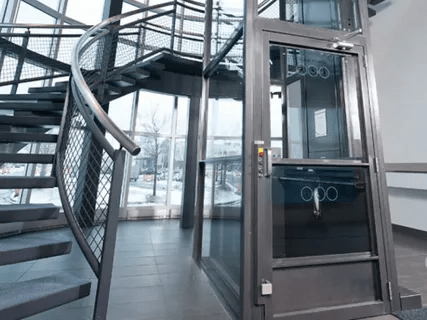
Vertical transportation forms an important part of commercial properties. Tenants, staff and goods work efficiently through the elevators moving across the various floors with ease. Unplanned systems might result in delay, safety issues as well as operational inefficiencies, which is why it is crucial that property owners should be familiar with the fundamentals of the elevator systems and the compliance rules.
Having a professional commercial lift installation makes the buildings to be safe, accessible, and operational. The owners of property knowing the installation procedures, system parts and possible planning errors are able to make informed decisions. The information can be used to avoid failure in the future, minimize the cost of maintenance, and ensure that tenants are confident. This paper discusses consideration, mistakes, and best practices when installing lifts in businesses.
Why Commercial Lift Installation Matters
A lift system that is properly designed will have a direct influence on the usability and value of the commercial buildings such as offices, hotels, shopping centers and hospitals. Trustworthy lifts increase satisfaction of tenants, optimize operations and maintain property value. On the other hand, systems that are poorly planned may lead to delays, safety concerns and high maintenance costs. The current trends in commercial properties accentuate efficient, convenient, and code-compliant vertical transportation. New installations should also be considered in terms of the property standards in terms of elevators, regulations in accessibility as well as operational efficiency. These factors are attended to therefore resulting in a seamless building process and confidence of the occupants.
Key Components of Commercial Lift Systems
The key components of lift installation are based on knowledge of successful installation, which consists of parts that are all related to safety, reliability and performance.
Lift Structure and Mechanicals
The main parts of the car are the car, counterweights, suspension and the shaft. The choice of materials, design of its load capacity, and spatial factors should be meticulously chosen so that the functioning process is comfortable and stable over time. This knowledge of these mechanical components can be used to avoid overloading and mechanical failures to ensure the safety of the tenants.
Control Systems and Technology
The new lifts have sophisticated control panels, sensors and monitors. The inclusion of intelligent technologies and proactive diagnostics is capable of efficient functioning and the identification of possible problems in advance. Professional planning is done to ensure that control systems take care of the operation of the property.
Safety Features and Compliance Elements
The presence of safety qualities such as emergency brakes, door sensors, and alarms is important. Adherence to local and international standards such as accessibility standards safeguard occupants and eliminate legal issues. Adequately fitted safety measures will make the lift safe and compliant with the regulations.
Common Planning and Installation Mistakes
The planning, as well as installing, may include errors on the part of even such an experienced property manager, which involves performance and safety problems.
Inadequate Load and Traffic Analysis
Raising the daily use or peak times may overload the system leading to delays and decrease in the life of the lift. Traffic analysis ensures that there is matching of capacity with building demand.
Ignoring Local Safety and Accessibility Codes
The non-observance of the building codes and accessibility requirements will expose the organization to more legal vulnerabilities and can be retrofitted at high costs. Compliance is a guarantee of safety, and security of the owner of the property.
Poor Site Preparation and Space Allocation
The wrong dimensions of the shaft or the lack of the space make the installation process difficult, delays the timeframes, and can influence the operation of the system in the long term. With good site preparation, the latter problems can be avoided and effective coordination of the other construction activities is made possible.
Installation Process Overview
Commercial lift installation process begins with a thorough site survey to determine preparation and find possible challenges. Certainly, it is a well-organized work and securing of permits, work scheduling, and communication with construction teams guarantee a fluent workflow. Quality inspection is done during installation to ensure that components are aligned as well as load capacity and safety functionality are maintained to give quality lift performance.
Maintenance Considerations After Installation
After installing the lift, it needs to be tested and certified on a regular basis to ensure that it is functioning correctly. The wear, electricity, or mechanical problems can be spotted beforehand during planned checks and mean that the time may be spent without losses. There is an increased use of digital monitoring and predictive diagnostics in order to ensure stable performance and minimize sudden failures.
Choosing the Right Lift Installation Partner
It is important to choose a certified and experienced lift installer. The property owners must consider the vendors in terms of credentials, certifications, service history, and references. To make sure that the operational reliability and compliance with the regulations are guaranteed, the installation arrangements must also comprise warranties, post-installation services, and long-term service agreements.
Conclusion
Commercial Lift Installation should be done properly so as to be safe, efficient and of value to the property. Knowing the elements of the system, standards of compliance, the usual planning errors, and even requirements of maintenance will provide a stable functioning. When we involve professional installers they can ensure that their investment is not wasted, ensure that the building activities run smoothly and also ensure safe environment to the tenants. Considered planning and professional execution ensures long-term lift performance and peace of mind on the operation side.
FAQs
What is the average duration of the installation of a commercial lift?
This depends on the size of the building, the type of lift and where to prepare the site. The standard installations will take several weeks between the survey and final testing.
What are the safety checks that must be undertaken on installation?
Brake, door sensors, alarm and emergency systems should be tested after the installation. Periodic inspections are done to keep safe codes within the locality.
Does the building have lift systems compatible with modern buildings?
Yes, the older buildings can be retrofitted with right planning and structural evaluation. Professional survey assists in the determination of space requirement and load capacity variations.
Why should professional commercial lift installation be essential?
The commercial lift is installed by a professional and meets the safety, operating reliability, and long-term performance requirements. It minimises risks, lowers maintenance problems and safeguards property value.
Visit classicstylemag for more informative blogs.